
by Giuseppe Scarlata, Antonino Napoleone | December 30, 2021.
edited by Ivy Rose Sebastian.
As we close the curtains on 2021, much like the previous year, SARS-CoV-2 remains front and centre, overshadowing other equally relevant events that have taken place over the past year. The rally to understand, prevent and cure this mutable disease has been nothing short of remarkable in terms of innovation and promptness, all while constantly evaluating its impact on society. The scientific community has exuberantly countered this central issue with numerous studies and discoveries, key among these being the new vaccines developed to combat COVID-19. (read also: The secret ingredient in mRNA vaccines and COVID-19 vaccine options available). People’s lives and habits have changed dramatically, but there has been a strong response to try to limit the transmission of the virus thanks to an extensive vaccination campaign (see also: Can the transmission of the virus be stopped?). As we draw closer to the end of the year, we can take a step back and revisit 2021 from a scientific point of view and take a deeper look into how researchers have significantly contributed to and reformed the scientific arena in a way that has drastically influenced society. The well-known journal Nature has searched through a wide range of laboratories around the world, where remarkable studies are carried out, from medical and pharmaceutical biotechnology to artificial intelligence, natural sciences, meteorology, and astronomy, and has come up with ‘Ten people who helped shape science in 2021’.
Let’s find out together!
Winnie Byanyima: the vaccine warrior
This UN leader knew that vaccine equity wouldn’t happen without a fight.
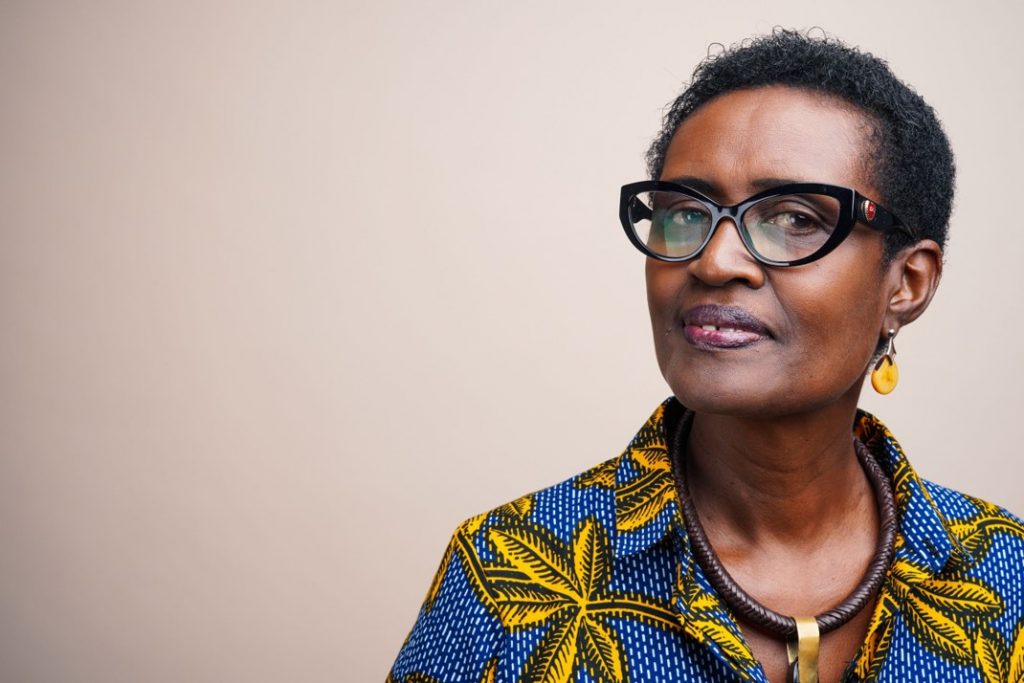
Even before the COVID-19 vaccines existed, Winnie Byanyima was already a frontline campaigner for the equal distribution of vaccines around the world, helping low- and middle-income countries that might otherwise not have been able to receive them. A story with a happy ending? Sadly, this hasn’t been the case as leading pharmaceutical companies that developed the vaccines have retained intellectual property rights with the countries that bought most of the doses. To date, only 6% of people in developing countries have received a single dose of the vaccine while several countries have already started administering booster doses. Today, Byanyima is still working tirelessly to ensure that this inequality will soon come to an end. As she herself has said: “Without political decisions to reduce inequality, we can’t go anywhere”.
Friederike Otto: the weather detective
As heatwaves, floods, and droughts multiply, this researcher assesses whether humans bear some blame.

Friederike Otto spent the last seven years studying extreme weather events until an incredible heatwave hit Canada and North western United States in July, breaking temperature records and killing hundreds of people. Otto and her team carefully examined meteorological data to assess how big the heatwave was, investigating climate records for the region and running computer models to assess the likelihood for weather events of this magnitude, compared to a hypothetical world without climate change. The result was that this phenomenon is a consequence of anthropogenic climate change that has led to a temperature increase of up to 5°C in some geographical areas. Therefore, there is a serious concern about ‘climate justice’ and, as she says, science and governments must be the promoters.
Zhang Rongqiao: The Mars explorer
This engineer leads China’s first successful Mars mission, which reached the planet this year and landed a rover on its surface.
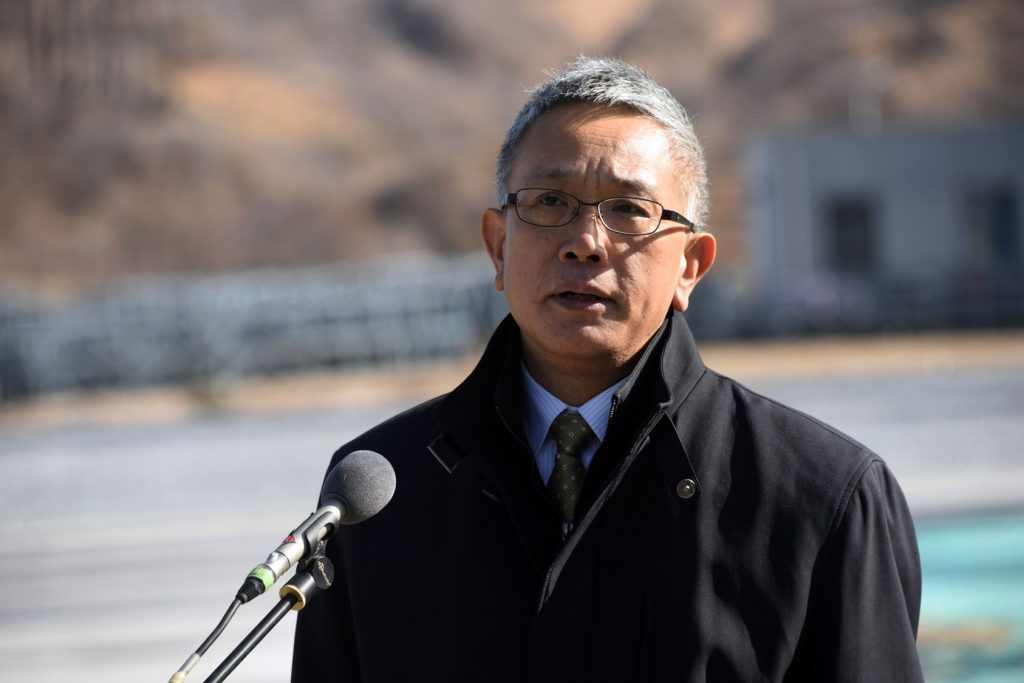
Tianwen-1 was launched into space in July 2020 to arrive at the red planet in February, dropping the lander and rover in May. The spacecraft landed on a vast impact crater called Utopia Planitia, selected mainly because it is a relatively safe place to land. Since then, the rover has travelled more than 1,200 metres south, taking panoramic images and selfies that have been widely shared online. The mission led by engineer Rongquiao is China’s first Mars mission, and according to him, its importance lies not only in scientific progress but also in training new, young scientists.
Timnit Gebru: ethical leader of AI
After losing her job at Google, an artificial-intelligence pioneer founded an independent institute to raise questions about ethics in technology.
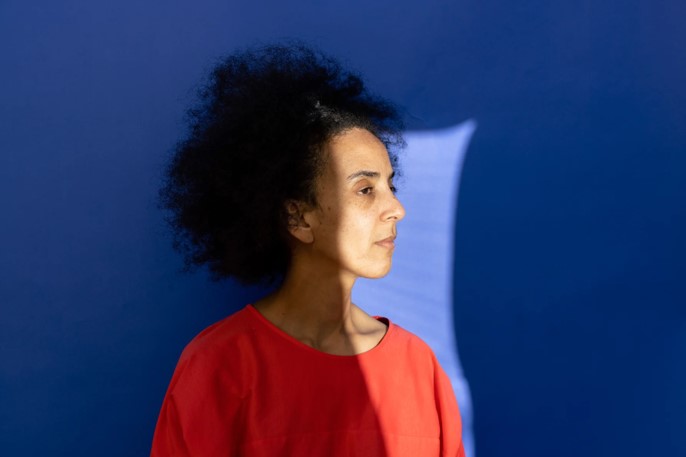
After a flare-up within Google in late 2020 that led to her dismissal, Timnit Gebru has yet to give up. A few weeks ago, she founded a research institute for the study of artificial intelligence (AI) that is independent of prominent tech giants. The Distributed Artificial Intelligence Research Institute, a remote interdisciplinary centre, will develop artificial intelligence models and applications that are not dependent on the large data sets and computing power of large technology companies. Simply considering the fact that the funding it has received is staggering (US$ 3.7 million), this should be a testament of the size and goals of the project.
Tulio de Oliveira: the chaser of variants
A bioinformatician in South Africa helped to identify troubling variants of the coronavirus SARS-CoV-2.
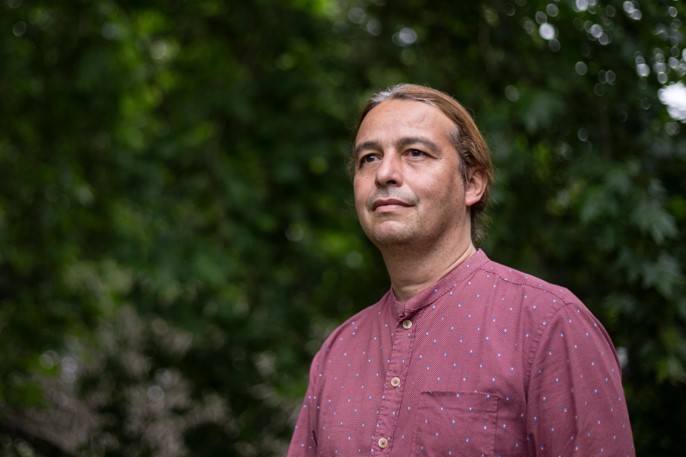
On the 25th of November, Tulio de Oliveira announced the discovery of the Omicron variant of SARS-CoV-2 by sequencing samples from Botswana, South Africa, and Hong Kong. The events that transpired following this announcement is well-known history. However, Omicron was not the only variant discovered by the Brazilian bioinformatician. He was also responsible for the discovery of the Beta variant isolated from samples from South Africa, earning him the reputation of being the harbinger of bad news. With the identification of the two variants that allowed the adoption of containment policies, De Olivera founded the Centre for Epidemic Research, Response, and Innovation (CERI), monitoring the progress of the epidemic worldwide and hosting Africa’s largest sequencing facility. When Omicron’s announcement introduced new travel bans, some South African politicians questioned de Oliveira’s right to make such statements. Some people even see the genomic surveillance community as the enemy. But, according to his own words: ‘We are not the enemy, we are the opposite’.
These are just five of the ten scientists who helped shape science in 2021. Part two will follow shortly, to complete the rest of the list so that we can get to know the next five scientists in Nature’s 10 list of the most influential researchers of 2021.
The ScienceRely staff wishes all our readers a happy new year.
References
You may also like this

Europe’s top universities: Where research thrives in 2025
Microbes and Mood: Deciphering the Connection for a Happier You!
Can’t solve a maze? Ask a slime mould!

The neurobiology behind the Christmas spirit
