
by Antonino Napoleone, Giuseppe Scarlata, Domenico Gangemi | May 10, 2020
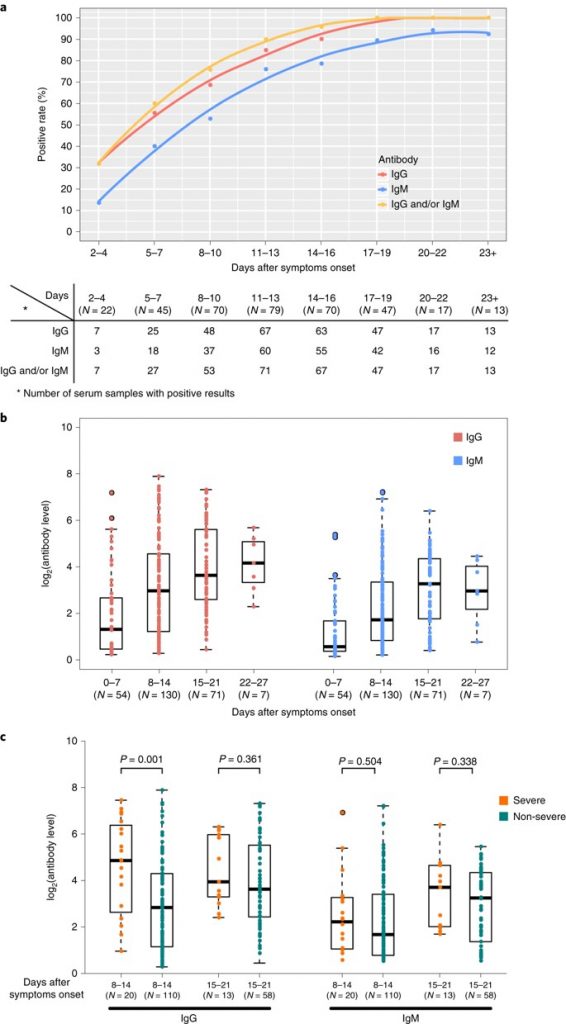
On May 10, 2020, 4,142,107 cases of Coronavirus Disease-2019 (COVID-19) distributed in 187 countries are registered worldwide, of which 2,402,247 are currently active and 1,458,191 are declared as recovered. The latter data for recovered individuals is crucial in the evaluation of convalescent plasma (CP) based therapy protocols. Awaiting a suitable vaccine and considering the lack of a validated therapeutic strategy for the treatment of severe and critical cases, research groups, especially in China, Europe, and the United States have started several clinical trials and this old CP-based therapeutic practice has re-emerged. This therapy is defined as passive immunoprophylaxis and consists of the transfusion of the neutralizing antibodies developed by individuals recovered from a certain infectious disease for the treatment of patients in critical conditions. The recent research published on April 29, 2020 in the well-known journal Nature, reports that out of a total of 285 COVID-19 patients recruited for the study, 100% develop neutralizing antibodies three weeks after the development of symptoms. 100% of patients develop virus-specific IgG (Immunoglobulin G) antibodies 17-19 days after the development of symptoms, and 94.1% of patients develop IgM (Immunoglobulin M) antibodies 20-22 days after the development of symptoms (Figure 1). This finding is fundamental in evaluating the use of CP rich in neutralizing antibodies as a therapeutic protocol for the transfusion of patients with severe-critical conditions pending the development of an effective vaccine.
Who has access to CP therapy?
This is a therapeutic protocol that is still in a clinical trial and that would be intended as an emergency treatment for patients in the intensive care unit and in severe-critical conditions or for immune-compromised patients. However, the use of CP cannot be extended to all affected patients because it would increase the risk of thrombosis in the categories of individuals susceptible to circulatory problems.
How is CP obtained?
The technique for taking CP is called plasmapheresis, where the cellular and liquid components of blood are separated by centrifugation or filtration through a cell separator. This machine separates and collects the plasma in specific bags and re-infuses the blood cells to the donor. During plasmapheresis, the donor is treated with the anticoagulant ACD-A (citric acid and dextrose sugar) to prevent blood clotting.
This approach has several limitations, starting with the number of available donors and cell separators in hospital facilities. In addition, there are very strict criteria for donors, which do not make the use of CP feasible on a large scale. According to the guidelines and recommendations provided at the local level and by the World Health Organization (WHO) there are several important considerations to be evaluated:
- Eligibility of criteria for convalescent patients to donate whole blood or plasma;
- Pre-screening and pre-donation testing of convalescent COVID-19 donors;
- Criteria necessary for the safe collection of convalescent plasma;
- Post-donation treatment of convalescent plasma;
- Further recommendations according to the World Health Organization’s recommendations for CP transfusions for the treatment of emerging viral infections (Figure 2).
- Eligibility of convalescent COVID-19 patients to donate whole blood or plasma should be based on:
- Confirmation of the previous infection with SARS-CoV-2 by a record of a validated diagnostic test at the time of illness;
- An interval of at least 14 days after full recovery;
- Standard selection criteria for whole blood or plasma donation according to local requirements and standards (age, weight, collection frequency, vital signs, freedom from deferral criteria) in line with “WHO Blood Regulators Network (BRN): Donor selection in case of pandemic situations”;
- Non-reactivity of blood samples for transfusion-transmitted infections including HIV, HBV, HCV, syphilis (for whole blood) and locally transmitted infections using approved serological and/or nucleic acid tests, consistent with local requirements for the collection of blood components for transfusion;
- To avoid the risk of Transfusion Related Acute Lung Injury (TRALI) preference should be given to use of plasma from male donors or from female donors who have never been pregnant including abortions. This measure lowers the possibility of presence in the plasma of the antibodies to HLA or granulocyte antigens that cause TRALI. TRALI occurs within 6 hours after transfusion of implicated plasma and can be severe.
- Pre-screening and pre-donation testing of convalescent COVID-19 donors are based on:
- Physical examination of the donor to establish good health including the absence of fever and respiratory symptoms;
- If plasma is collected prior to 28 days after full recovery from illness, then confirmation of the resolution of the infection should be obtained through demonstration of two non-reactive Nucleic Acid Tests (NAT) for SARS-CoV-2 performed at an interval of at least 24 hours on nasopharyngeal swabs;
- Viral inactivation of convalescent plasma is encouraged to address residual risks of known transfusion transmissible viruses in an experimental product;
- The approximate date of COVID-19 infection, history of symptoms, treatments received and date of the resolution of all symptoms documented and traceable;
- When feasible, the total and neutralizing titers of anti-SARS-CoV-2 antibodies should be determined as part of product characterization before use. Furthermore, donor blood/serum/plasma samples should be saved frozen at -80°C for retrospective testing and further scientific investigations.
- Criteria for collection of COVID-19 plasma are based on:
- Performed in certified blood establishments (or under exceptional circumstances hospitals and other health care facilities routinely engaged in performing whole blood collection with plasma separation and/or apheresis procedures) by appropriately trained staff;
- Use only of legally approved blood collection or plasmapheresis equipment under standard operating procedures;
- Supervision of the collection process by trained staff;
- The volume of plasma to be collected: at least 200 to 600 mL (without anticoagulant) based on the procedure and regulatory limits;
- Plasma units intended for use as convalescent plasma should be clearly labeled (ISBT128 product description codes for convalescent plasma are available for establishments using the ISBT128 information standard);
- The first plasma donation can be followed by further donations at a frequency compliant with local regulations and taking into full account the health status of the donor (in many jurisdictions the interval between apheresis plasma donations of 600 mL or more should not be less than 7 days and that between whole blood donations should be at least eight weeks).
- Post-donation treatment of convalescent plasma is based on:
- Where feasible, pathogen inactivation of plasma using a licensed technology is highly desirable to control residual risks of transfusion-transmitted infectious diseases and to allay concern about possible superinfections with SARS-CoV-2;
- Freezing as soon as possible at -20°C or preferably colder and stored frozen until administration;
- Convalescent plasma collected from donors who do not fulfill post-COVID-19 suitability criteria for blood donation should be stored separately from other blood products in inventory;
- Plasma samples aliquots should be taken for archiving at -80°C and future potential scientific investigations.
- Further recommendations according to the World Health Organization’s recommendations for CP transfusions for the treatment of emerging viral infections:
- Follow standard hospital procedures and recommendations for thawing and transfusion of plasma;
- It is crucial to ensure ABO compatibility between the donor and the recipient;
- Transfusion of plasma from at least two donors may be therapeutically beneficial to achieve more effective immune protection from delivery of diverse antibodies;
- In the absence of published peer-reviewed reports of transfusion of convalescent COVID-19 plasma, patients could receive an initial dose of 200 mL, followed by one or two additional doses of 200 mL according to disease severity and tolerance of the infusions;
- Blood/serum/plasma samples of the recipient prior to and after transfusion should be taken for future potential scientific investigations.
This therapeutic protocol is being tested in several hospital centers around the world including the San Matteo Hospital in Pavia, Italy (https://clinicaltrials.gov/ct2/show/NCT04321421) and is based on plasma availability and the generosity of recovered COVID-19 patients, so each donor can potentially help up to three critical patients. It does not represent an extensively feasible solution to combat this pandemic, nor can it prevent future outbreaks, since it does not prevent the infection as the vaccination does, but it can only be applied to the emergency treatment of critically ill patients. This is made even more complicated by the poor availability of cell separators and an adequate number of donors fulfilling the eligibility criteria for transfusion. The only solution to combat this pandemic and prevent other outbreaks in the future could only be the development of an effective vaccine, so we look forward to a convincing answer from scientists. Share and have faith in medical science rather than the media, we all need to work together to stop all of this.
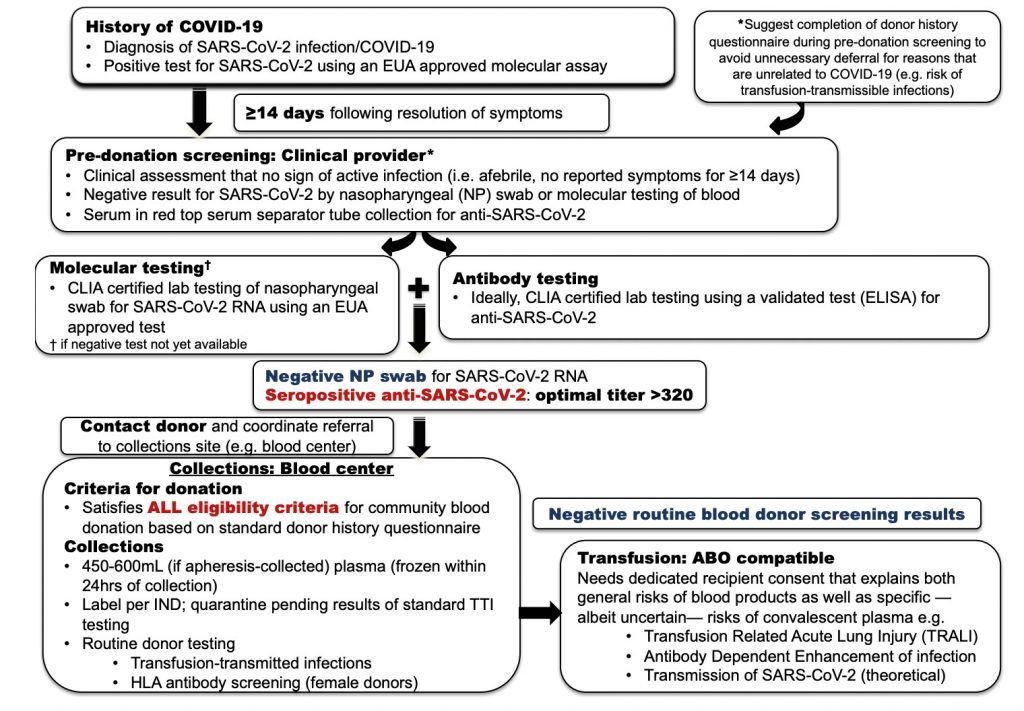
Figure 2 Convalescent plasma collections workflow.
References:
- Quan-Xin L. et al., Nature Medicine 29 Apr 2020. https://doi.org/10.1038/s41591-020-0897-1.
- WHO Blood Regulators Network (2017) Position Paper on Use of Convalescent Plasma, Serum or Immune Globulin Concentrates as an Element in Response to an Emerging Virus.
- La sicurezza del sangue trasfuso. EsaDia – Rivista di attualità diagnostiche, Settembre 2001.
- Long C. et al., The Lancet Infectious Disease 01 Apr 2020. https://doi.org/10.1016/S1473-3099(20)30141-9
- Evan M et al., The Journal of Clinical Investigation Apr 7 2020. https://doi.org/10.1172/JCI138745.
- https://www.worldometers.info/coronavirus/
- Barone P. et al., Transfusion May 6 2020. doi: 10.1111/trf.15843
You may also like this

Europe’s top universities: Where research thrives in 2025

Microbes and Mood: Deciphering the Connection for a Happier You!

Can’t solve a maze? Ask a slime mould!

The neurobiology behind the Christmas spirit
